作者 劳尔 | 7 月 15, 2026 | 儿童英语预备A1级(初级)
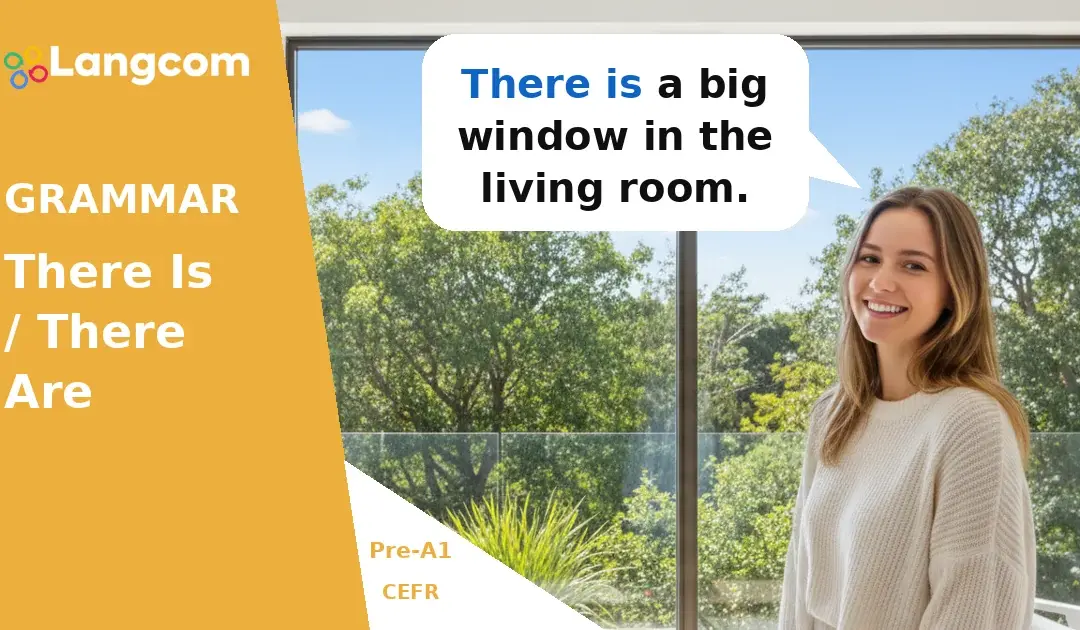
We use There is for one thing and There are for many things. This is how we talk about what exists in a place. Think of it like saying ‘Hay’ in Spanish. For example, if you see one apple, you say There is an apple. If you see three apples, you say There...
作者 劳尔 | 7 月 15, 2026 | 儿童英语预备A1级(初级)
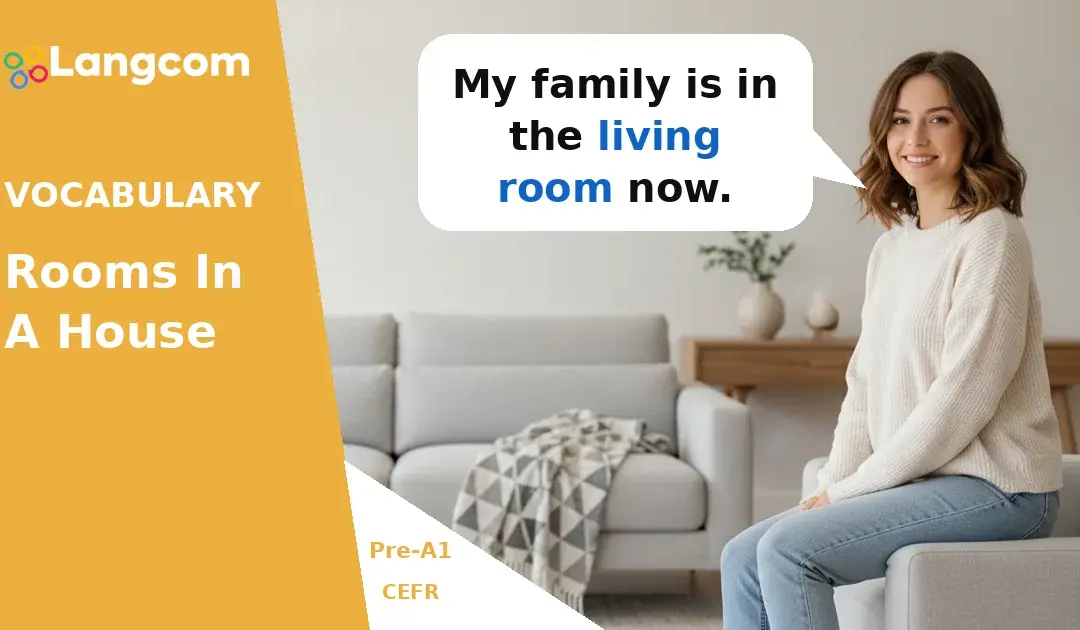
Learning the names of rooms in English helps you talk about where you live and what you do every day. A house has many different spaces, and each one has a special name and purpose. For example, you cook in the kitchen, and you sleep in the bedroom. Knowing these...

作者 劳尔 | 7 月 15, 2026 | 儿童英语预备A1级(初级)
To ask about what someone possesses or has, we use Have got or Has got in question form. This structure is common in British English and is very useful for beginners. For example, you can ask Have you got a car? or Has she got a brother? The choice between Have and...
作者 劳尔 | 7 月 15, 2026 | 儿童英语预备A1级(初级)
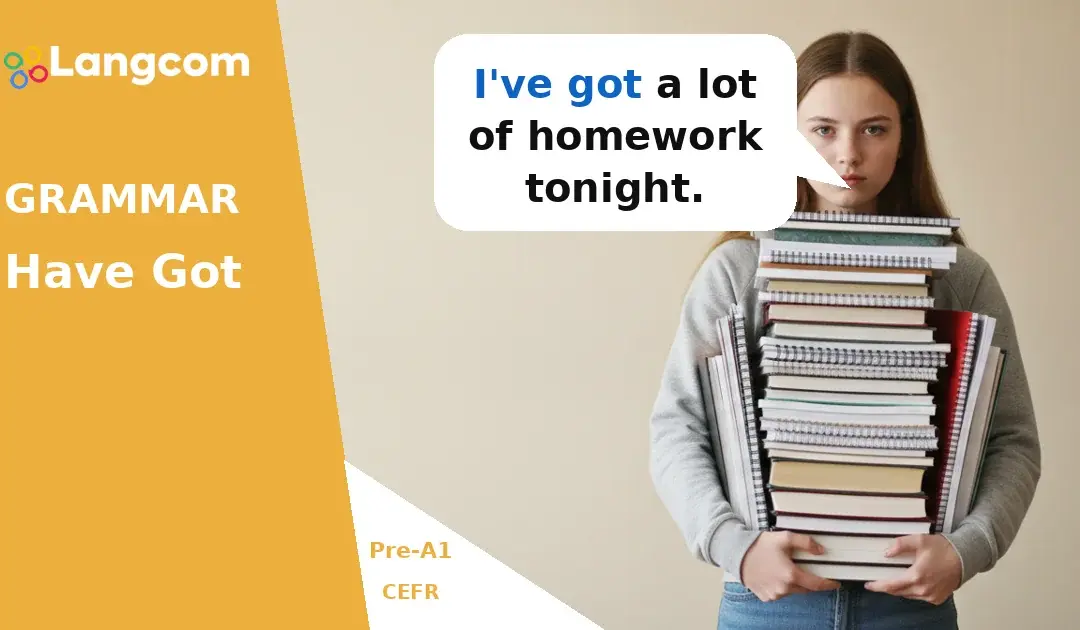
‘Have got’ and ‘has got’ are common ways to talk about possession in English. They mean that you own something, have something, or possess a characteristic. We use have got with the subjects I, you, we, and they. For example, I have got a new...
作者 劳尔 | 7 月 15, 2026 | 儿童英语预备A1级(初级)
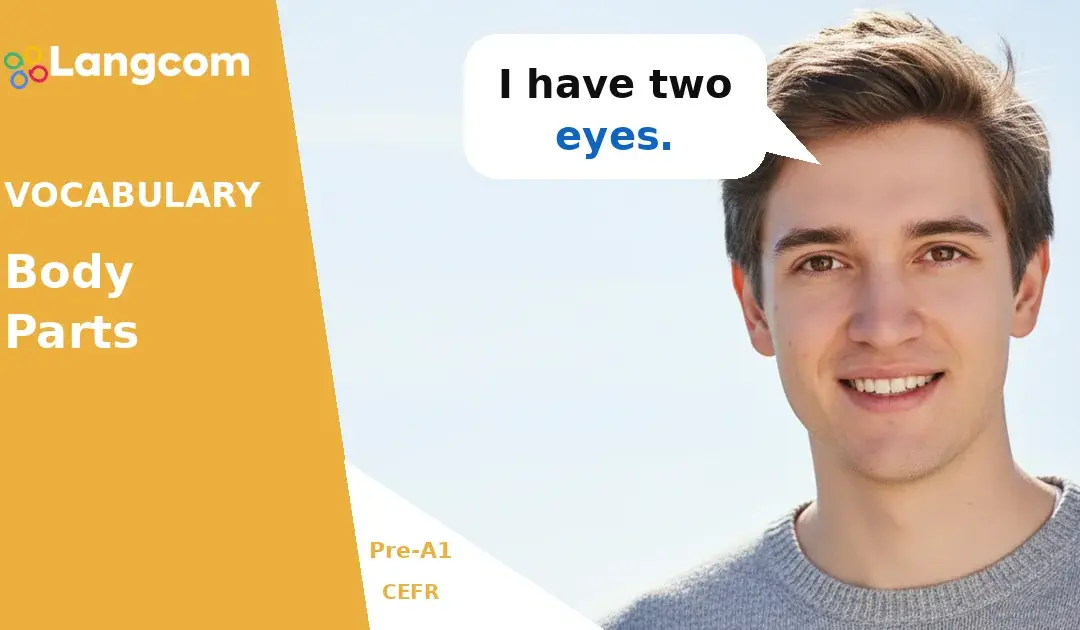
Learning English names for body parts helps you talk about yourself and others clearly and effectively. These words are essential for everyday communication, whether you are describing a person, discussing your health, or understanding simple instructions. In this...
作者 劳尔 | 7 月 15, 2026 | 儿童英语预备A1级(初级)
Learning English numbers 0-12 is a great first step for beginners. These basic numbers are used every day for many things. You use them to say your age, give a phone number, talk about time, or count objects. Knowing zero, one, two, three, four, five, six, seven,...
