作者 劳尔 | 7 月 15, 2026 | 儿童英语预备A1级(初级)
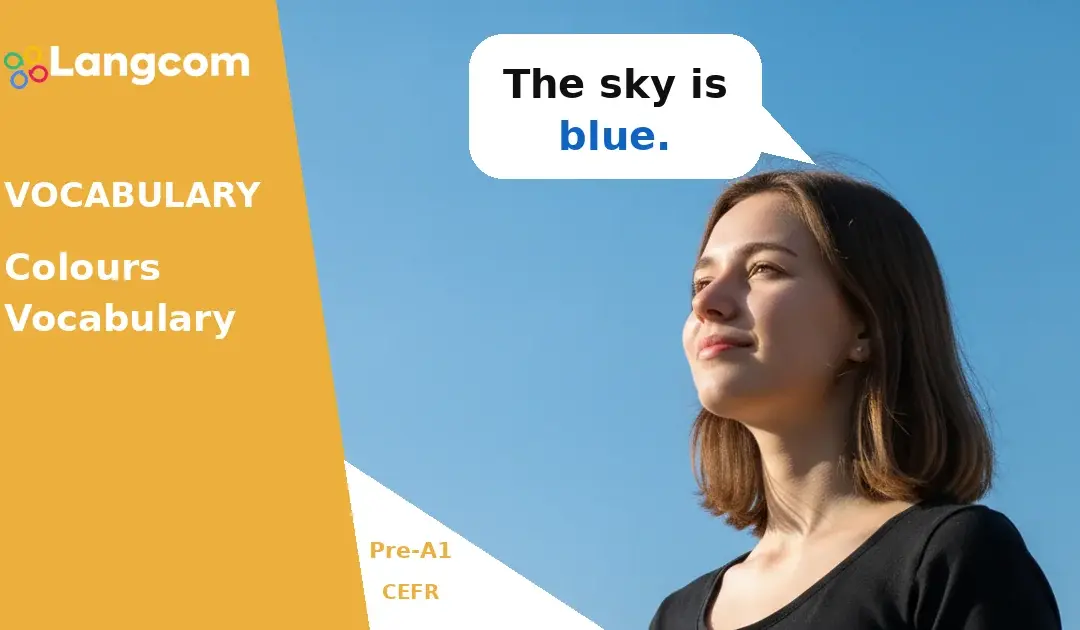
Learning basic colours in English is a great first step to describe the world around you! You will learn words like red, blue, and yellow. Colours are adjectives, which means they describe nouns (people, places, things). In English, the colour word usually comes...
作者 劳尔 | 7 月 15, 2026 | 儿童英语预备A1级(初级)
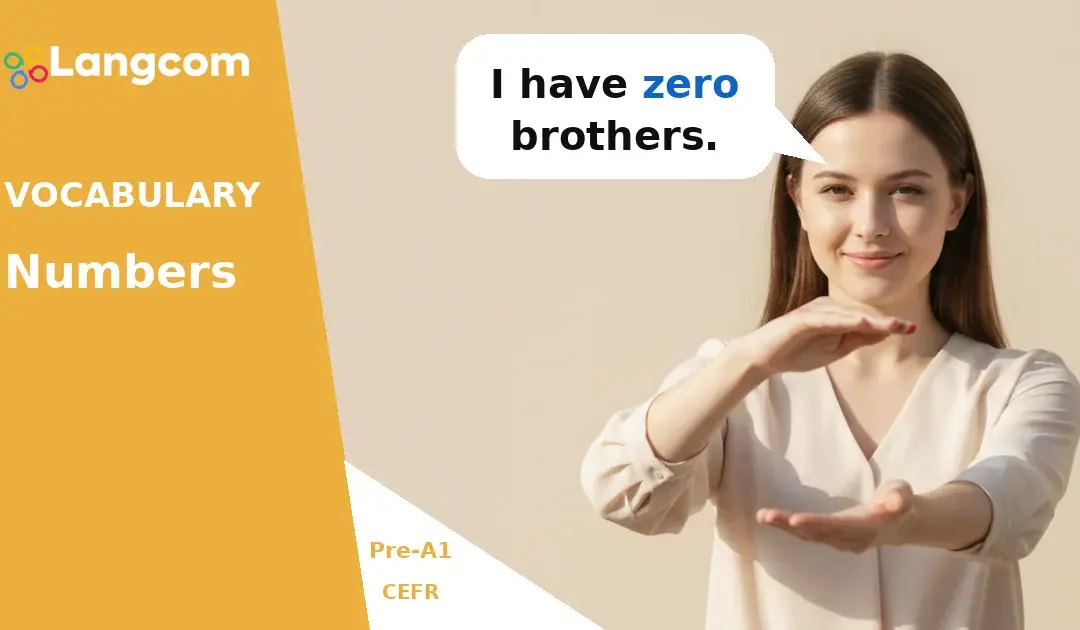
Learning English numbers 0-12 is the first step to speaking English confidently. These basic numbers are essential for everyday communication, like telling time, giving your phone number, or talking about ages. You will use them constantly! The numbers are: zero (0),...
作者 劳尔 | 7 月 14, 2026 | 儿童英语预备A1级(初级)
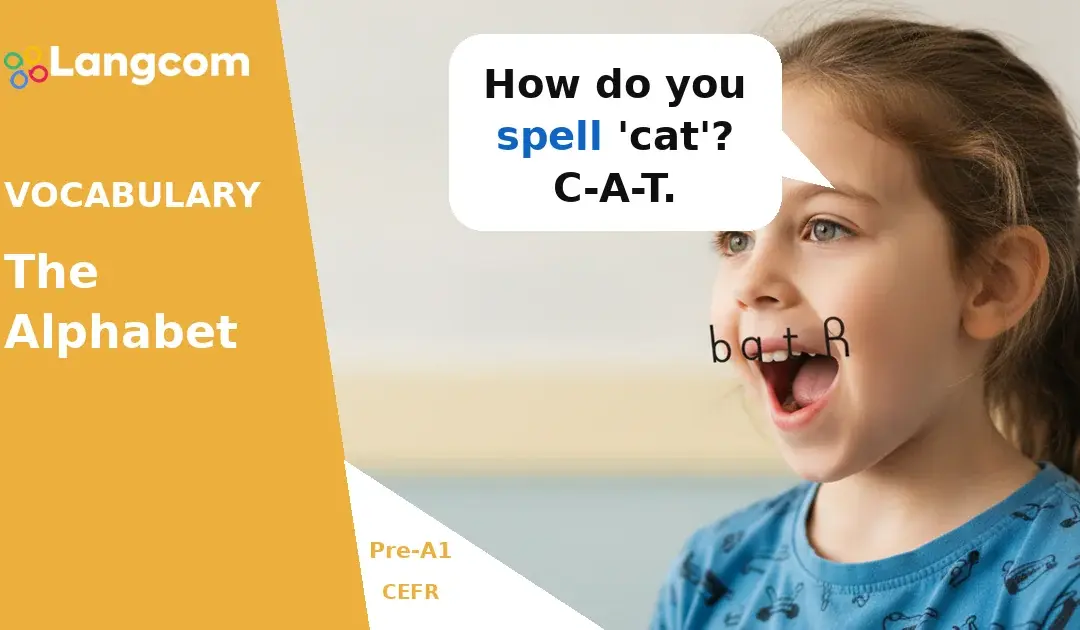
The English alphabet has 26 letters. Learning these letters is the first important step to speaking, reading, and writing in English. Each letter has a special name and a sound. You will use the alphabet to spell words, like your name or the name of a city. It helps...
作者 劳尔 | 7 月 14, 2026 | 儿童英语预备A1级(初级)
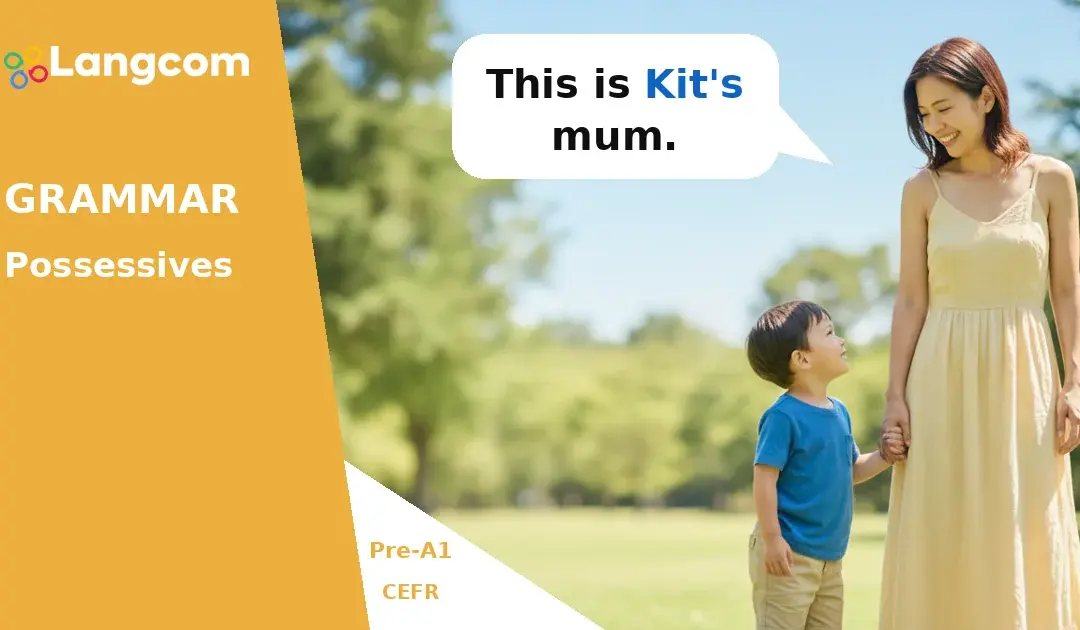
To show who owns something or who someone is related to, we use ‘s in English. This little mark, called an apostrophe, plus the letter ‘s’ (‘s), helps us connect an owner to what they own. For example, if Kit has a friend, we say Kit’s...
作者 劳尔 | 7 月 14, 2026 | 儿童英语预备A1级(初级)
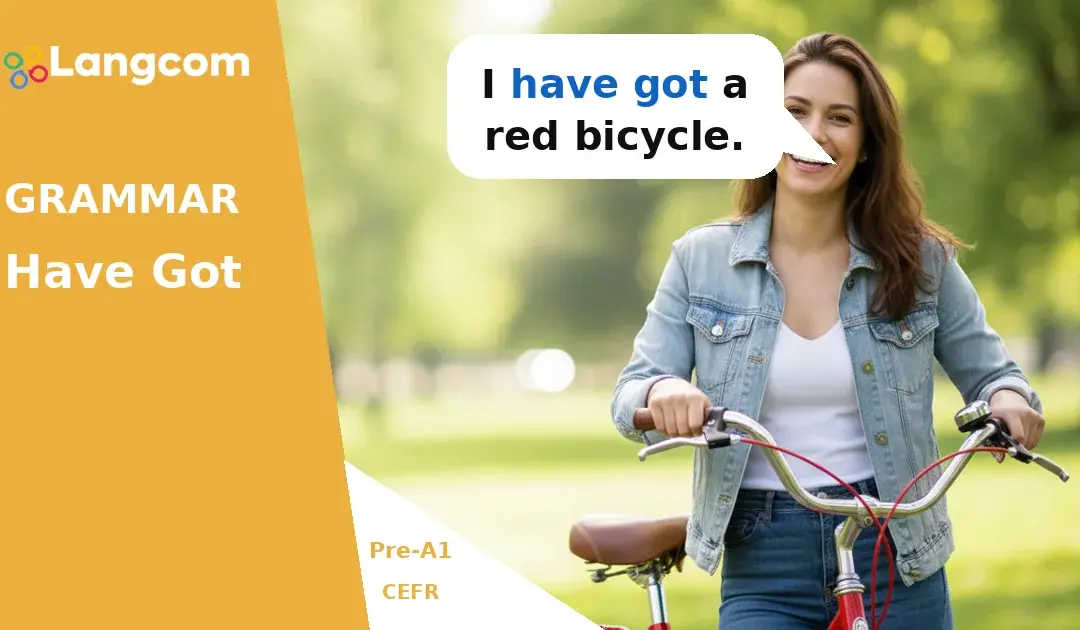
‘Have got’ is a common way to talk about possession in English. It means ‘to own’ or ‘to have something.’ For example, I have got a new phone means I own a new phone. This phrase is very useful for describing what people, animals,...
作者 劳尔 | 7 月 14, 2026 | 儿童英语预备A1级(初级)
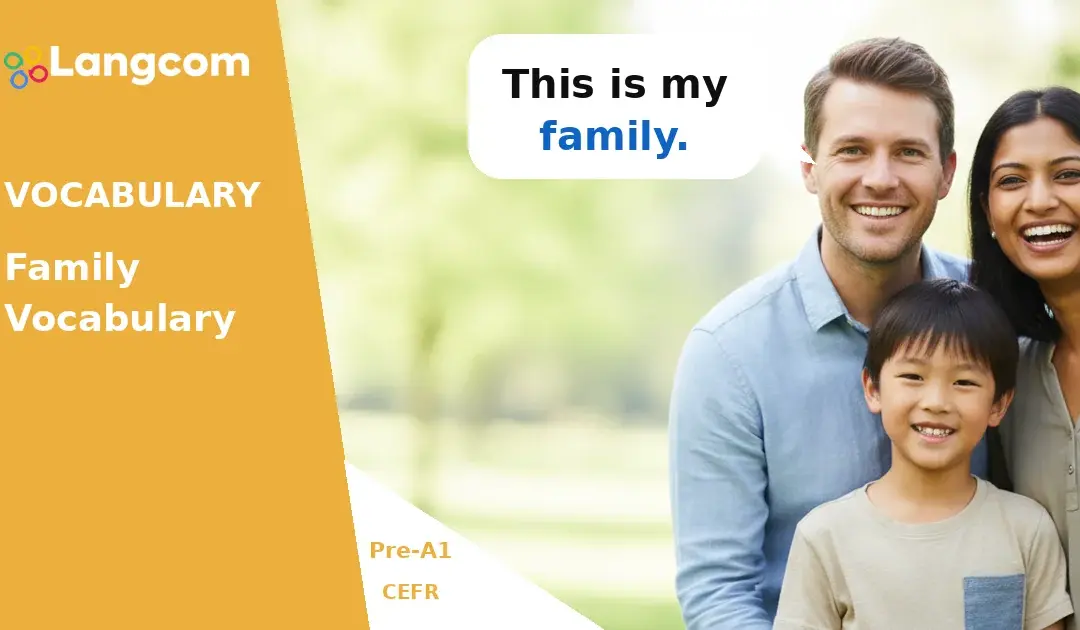
Learning basic family words in English helps you talk about the people you love and share important information about your life. These words are fundamental for everyday conversations and for making new friends. You will learn how to say mum, dad, sister, brother, and...
