por Raúl | jul 13, 2026 | Inglês para crianças – Nível Pré-A1 (Iniciante)
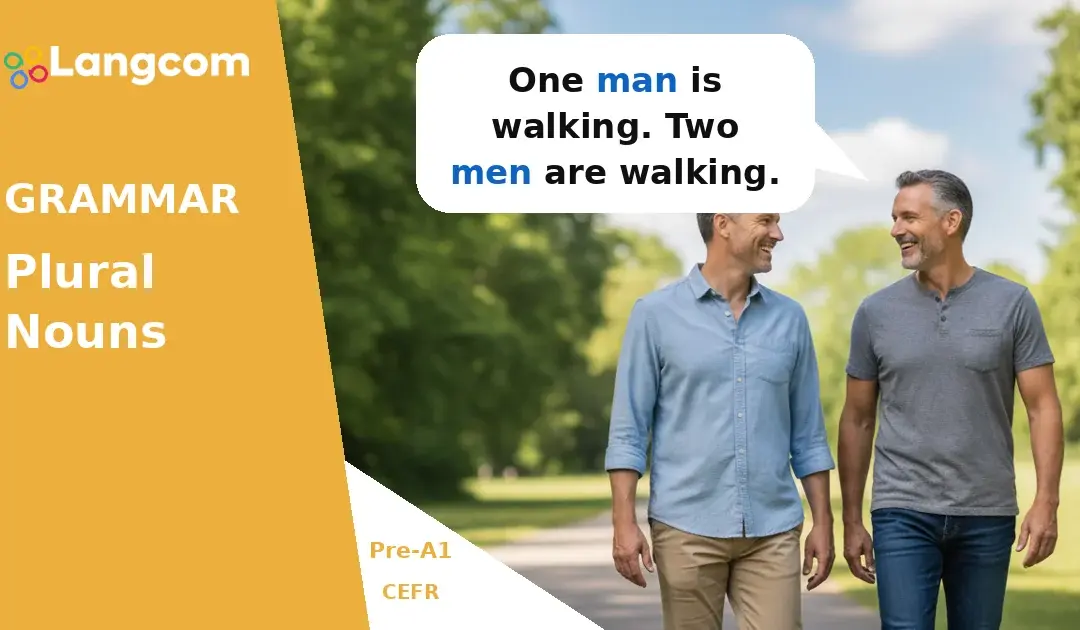
In English, most nouns become plural by adding -s at the end, like cat to cats. But some nouns are special. They are called irregular plural nouns. These words do not follow the normal rule. Instead, they change their form in different ways. For example, one man...
por Raúl | jul 13, 2026 | Inglês para crianças – Nível Pré-A1 (Iniciante)
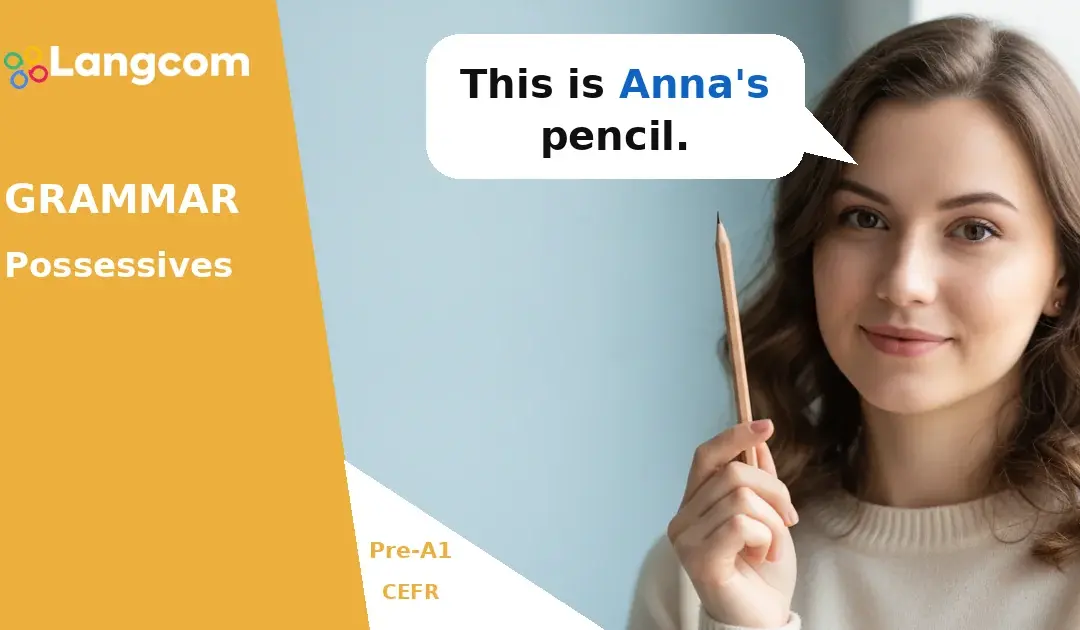
To show that someone owns something in English, we add ‘s to the person’s name or a singular noun. This is called the possessive ‘s. It helps us understand who an item belongs to very quickly and clearly. For example, if you want to say that a book...
por Raúl | jul 13, 2026 | Inglês para crianças – Nível Pré-A1 (Iniciante)
Adjectives are words that describe nouns (people, places, things). They tell you more about how something looks, feels, or is. For example, in a big house, big is an adjective. In English, adjectives usually go before the noun they describe, like a nice day, or after...
por Raúl | jul 13, 2026 | Inglês para crianças – Nível Pré-A1 (Iniciante)
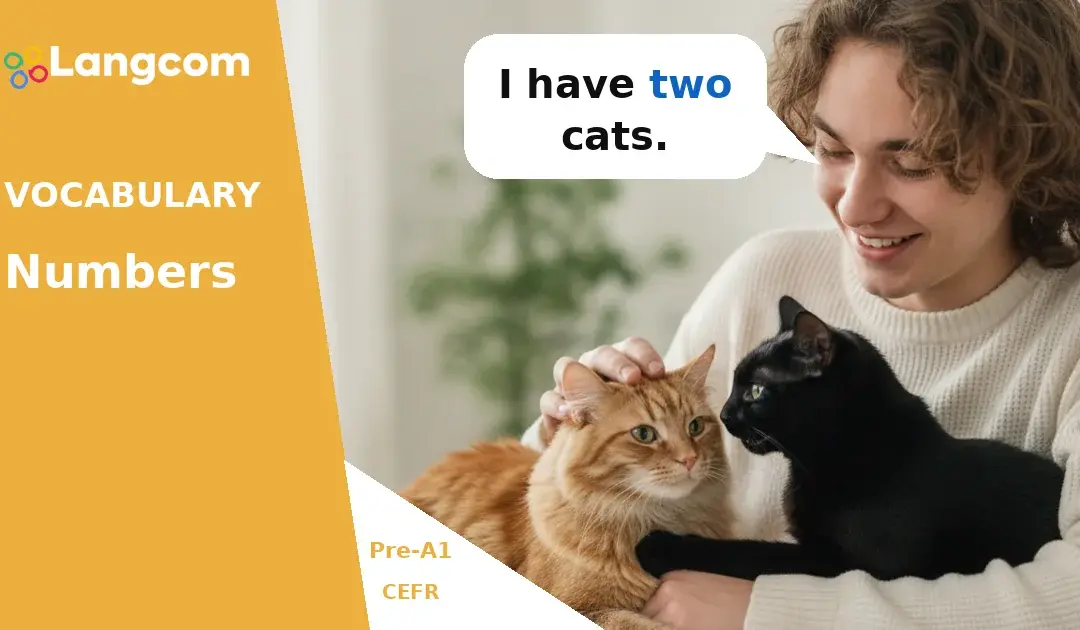
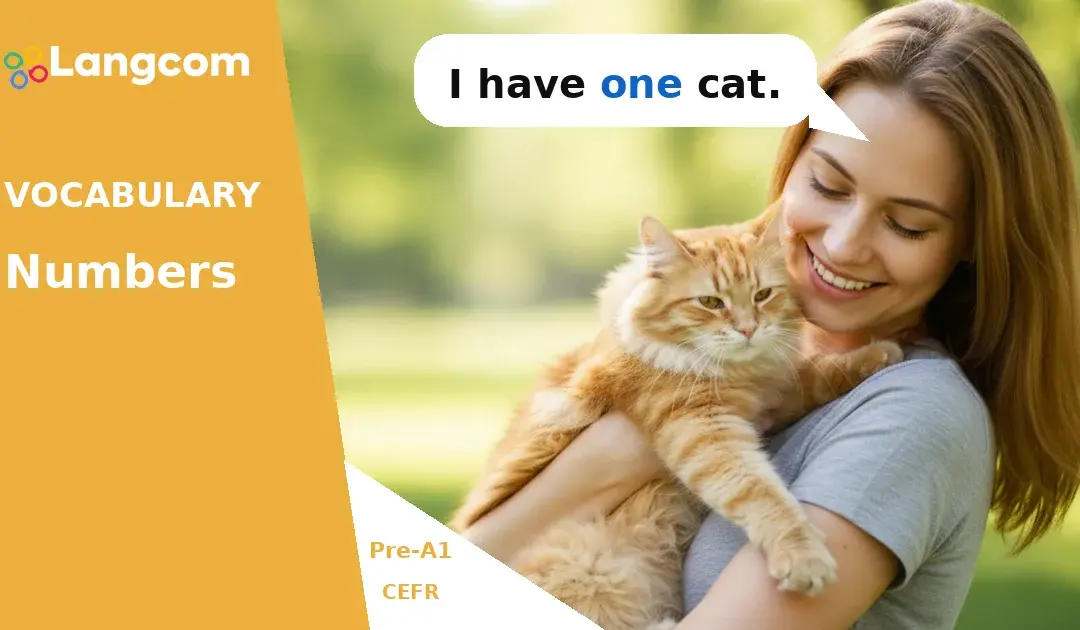
Learning English numbers from 0 to 100 is a key first step for any beginner. Numbers are everywhere in daily life, from telling time and giving your age to sharing a phone number or understanding prices. This guide will help you master the basic vocabulary you need to...
por Raúl | jul 13, 2026 | Inglês para crianças – Nível Pré-A1 (Iniciante)
Learning English numbers 1-100 is a fantastic first step in your language journey! Numbers are everywhere in daily life. You use them to say your age, give a phone number, talk about prices, or tell the time. In English, numbers follow clear patterns that make them...
por Raúl | jul 13, 2026 | Inglês para crianças – Nível Pré-A1 (Iniciante)
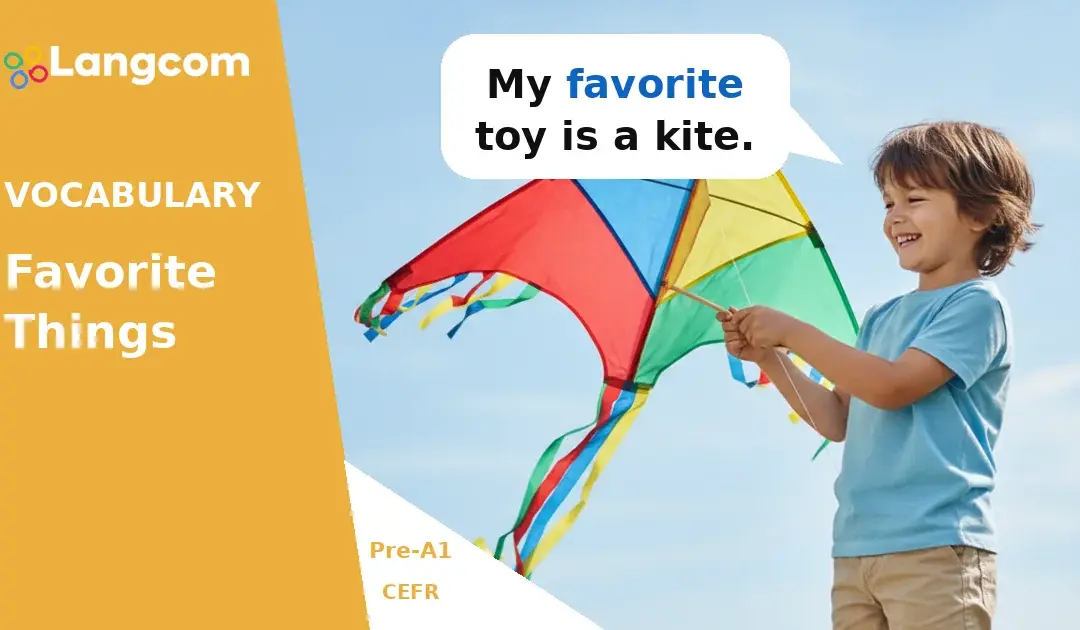
Learning to talk about your favorite things in English is easy and fun! You can tell people what you like most. This helps you share your interests and understand others. At the Pre-A1 level, we start with simple words for common objects. For example, you can use...
