
by Raúl | Jul 18, 2026 | A1 Beginner English
The Present Simple describes actions that happen regularly, habits, or general facts. It helps us talk about daily routines, things we do often, and universal truths. For positive sentences, we use the base form of the verb for I, you, we, they. For he, she, it, we...
by Raúl | Jul 18, 2026 | A1 Beginner English
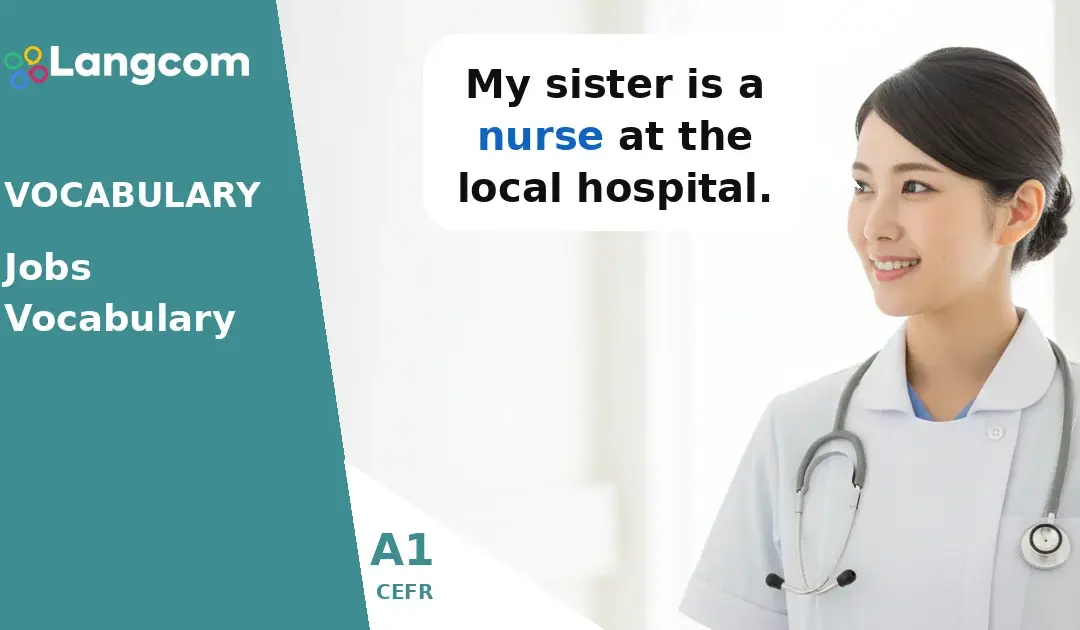
Learning English words for jobs helps you talk about what people do every day and understand others when they speak about their work. In this lesson, you will learn eight common job names like doctor, nurse, chef, cook, vet, farmer, zoo keeper, and carer. Knowing...
by Raúl | Jul 18, 2026 | A1 Beginner English
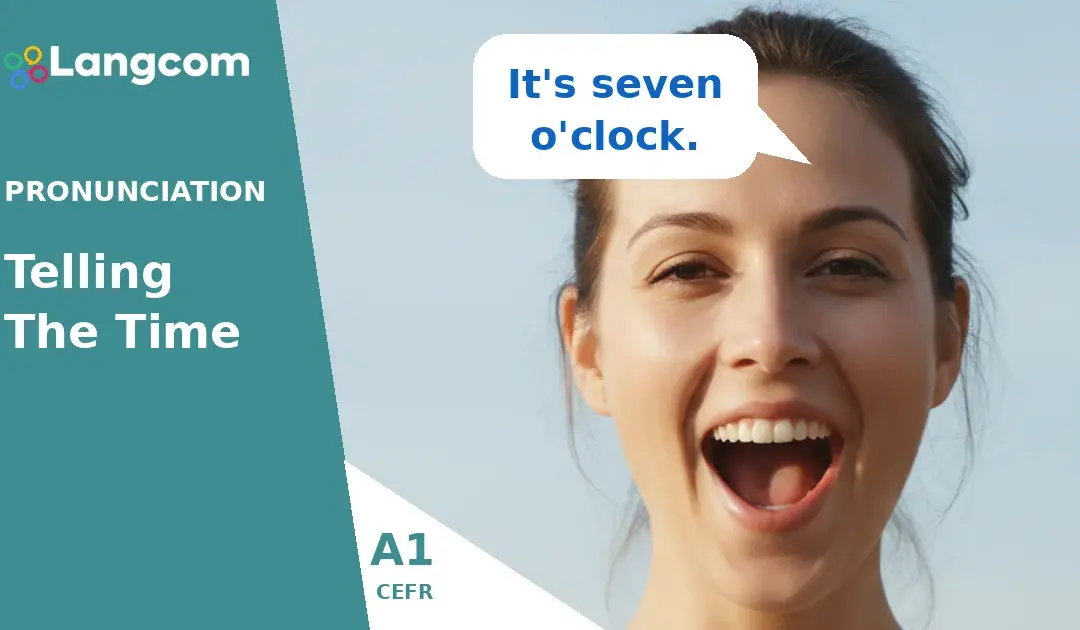
To tell the time in English clearly, focus on pronouncing numbers and key words like o’clock, past, and to. For exact hours, say It’s [number] o’clock. For example, It’s five o’clock. Remember to pronounce the ‘o’ in...
by Raúl | Jul 18, 2026 | A1 Beginner English
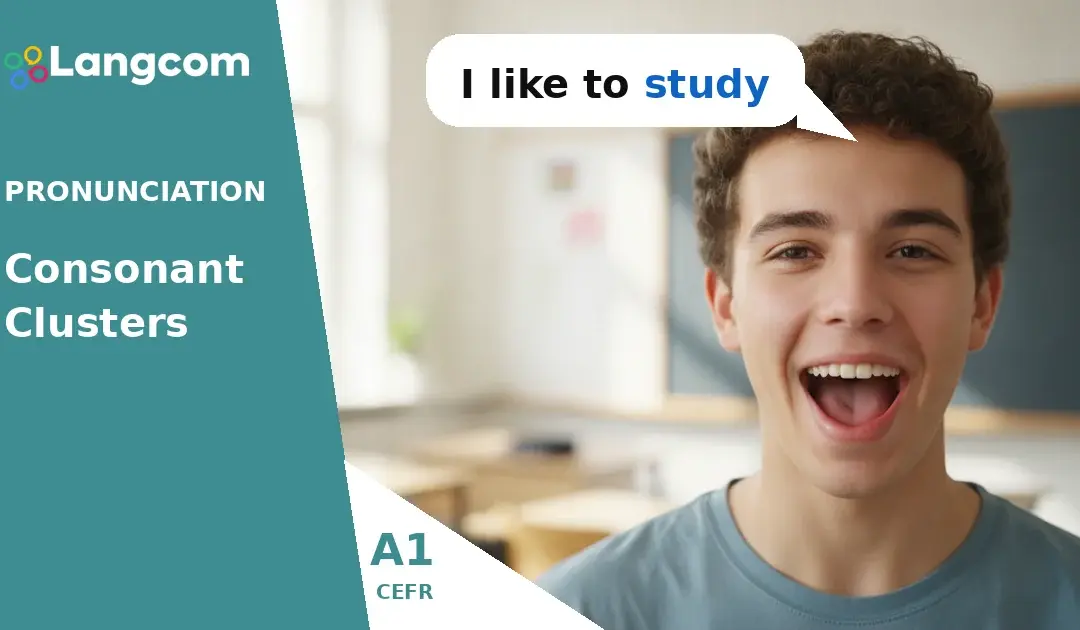
Consonant clusters are groups of two or more consonant sounds together in a word, like st in stop or nd in hand. These groups of sounds are very common in English and pronouncing them clearly is important for good communication. Unlike some languages, English often...
by Raúl | Jul 18, 2026 | A1 Beginner English
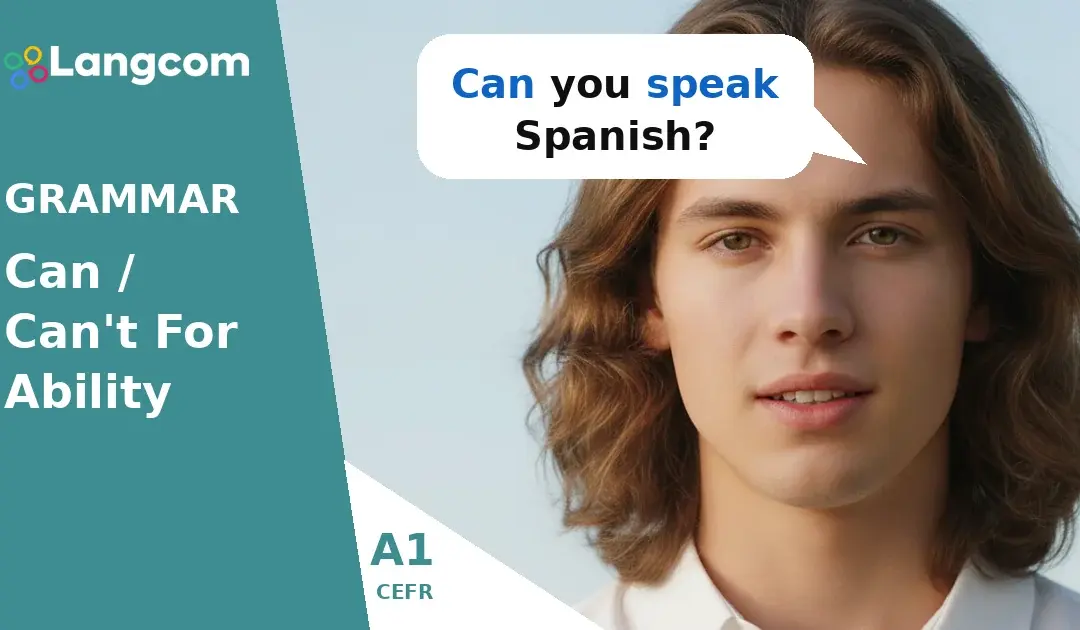
To ask about someone’s ability in English, we use Can at the beginning of the question. This word helps us talk about what people know how to do, like Can you swim? or Can she speak English? The structure is simple: Can + subject + base form of the verb. For...
by Raúl | Jul 18, 2026 | A1 Beginner English
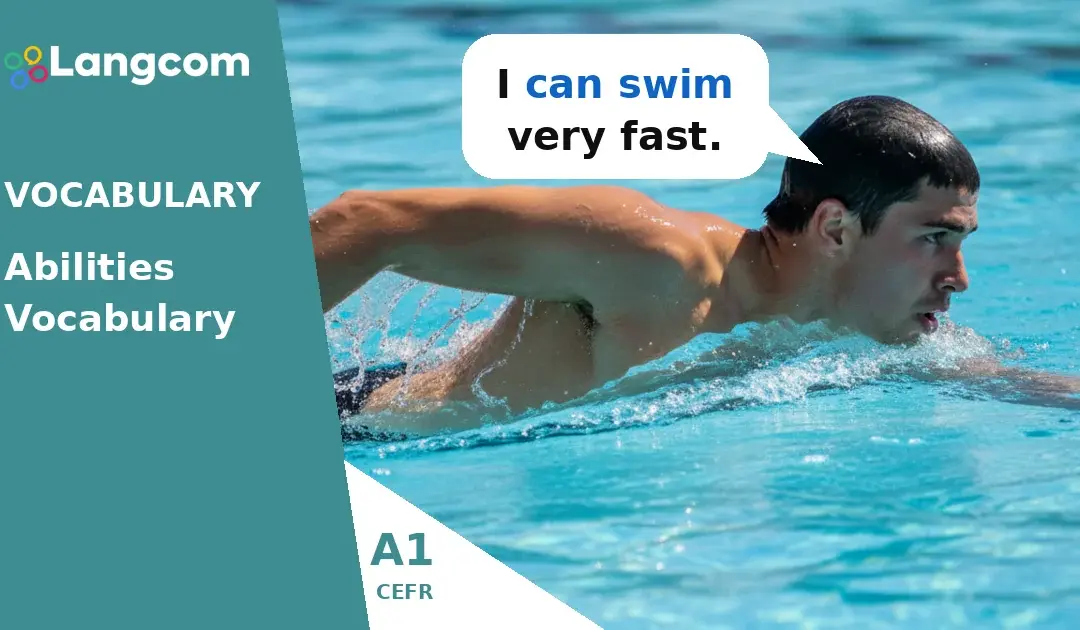
To talk about what you know how to do or what is possible for you, use the word can in English. This simple word helps you express your skills and talents. For example, if you know how to prepare food, you can say I can cook. If you don’t have a particular...
