بواسطة راؤول | يوليو 16, 2026 | اللغة الإنجليزية للمبتدئين (ما قبل المستوى A1) للأطفال
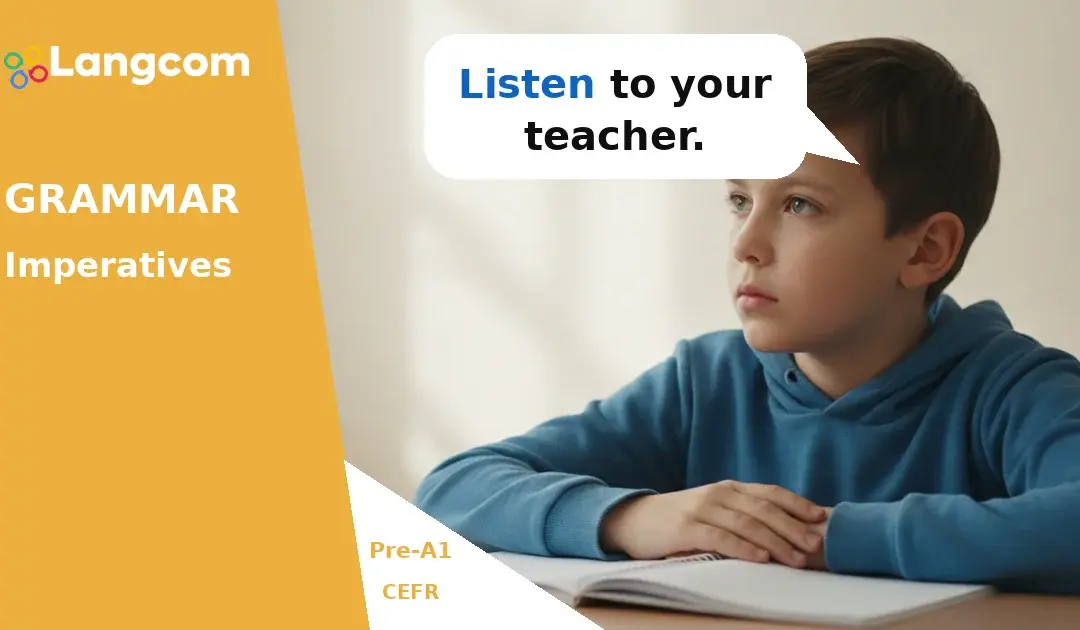
Imperatives give direct instructions or commands. They tell someone what to do or what not to do. We use imperatives every day in English for many situations. For example, when you want someone to listen, you say Listen! If you want someone to be quiet, you say Be...
بواسطة راؤول | يوليو 16, 2026 | اللغة الإنجليزية للمبتدئين (ما قبل المستوى A1) للأطفال
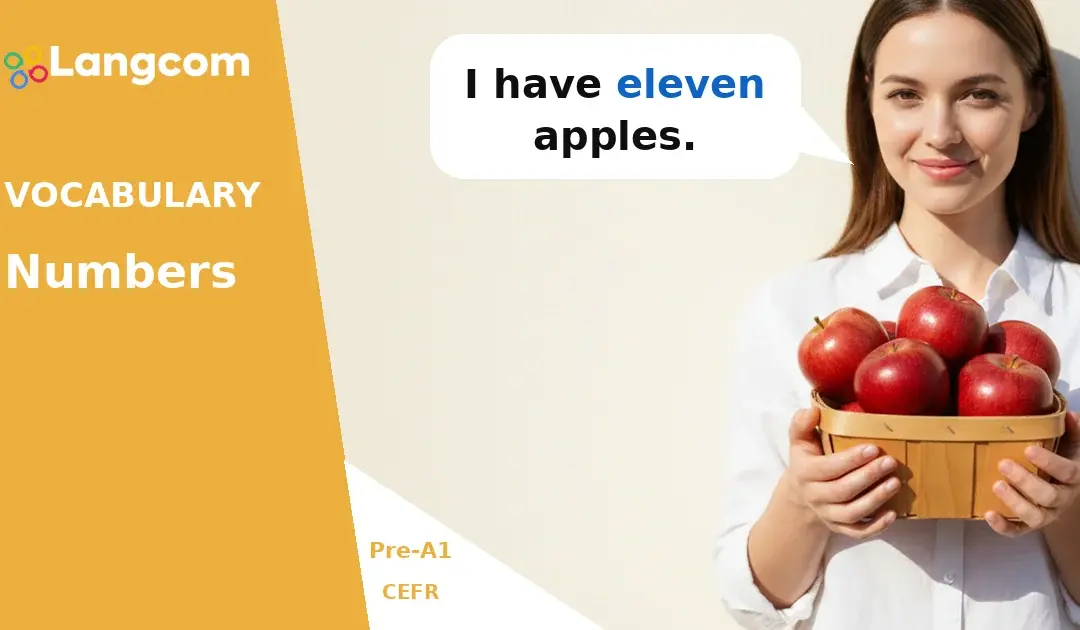
Learning English numbers 11 to 20 is a very important step for beginners! These numbers help you talk about many things every day. You will use them to say your age, how many items you have, or even parts of a phone number. Mastering these numbers makes your English...
بواسطة راؤول | يوليو 16, 2026 | اللغة الإنجليزية للمبتدئين (ما قبل المستوى A1) للأطفال
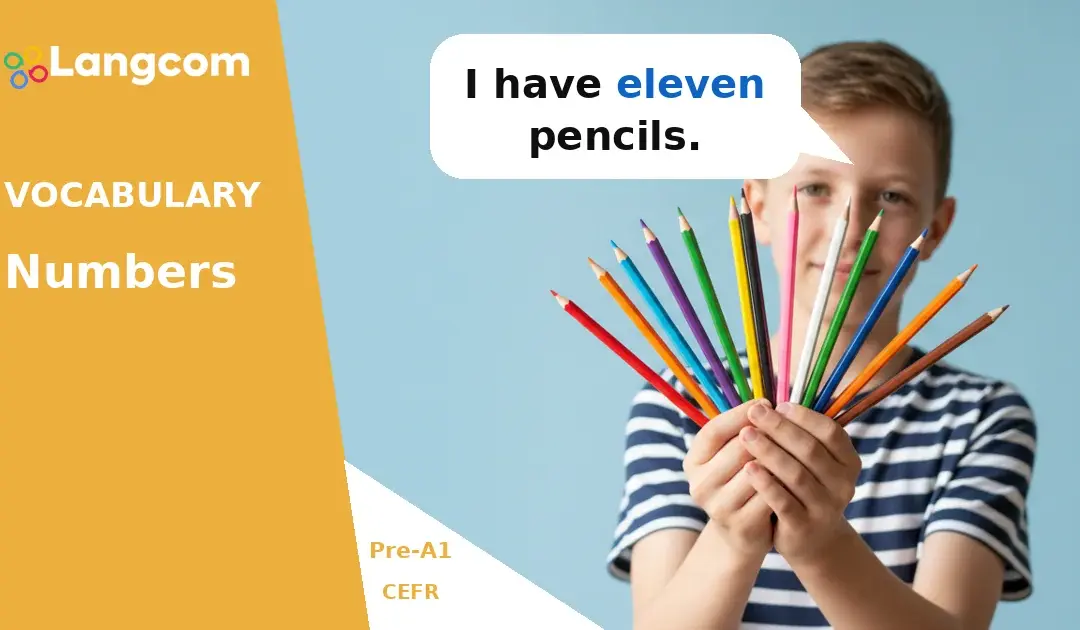
Learning English numbers 11 to 20 is a key step for beginners, helping you talk about age, time, and quantities every day. These numbers are special because they don’t follow the simple patterns of 1-10 or 21 and above. Mastering them will make it easier to...
بواسطة راؤول | يوليو 16, 2026 | A1: اللغة الإنجليزية للمبتدئين
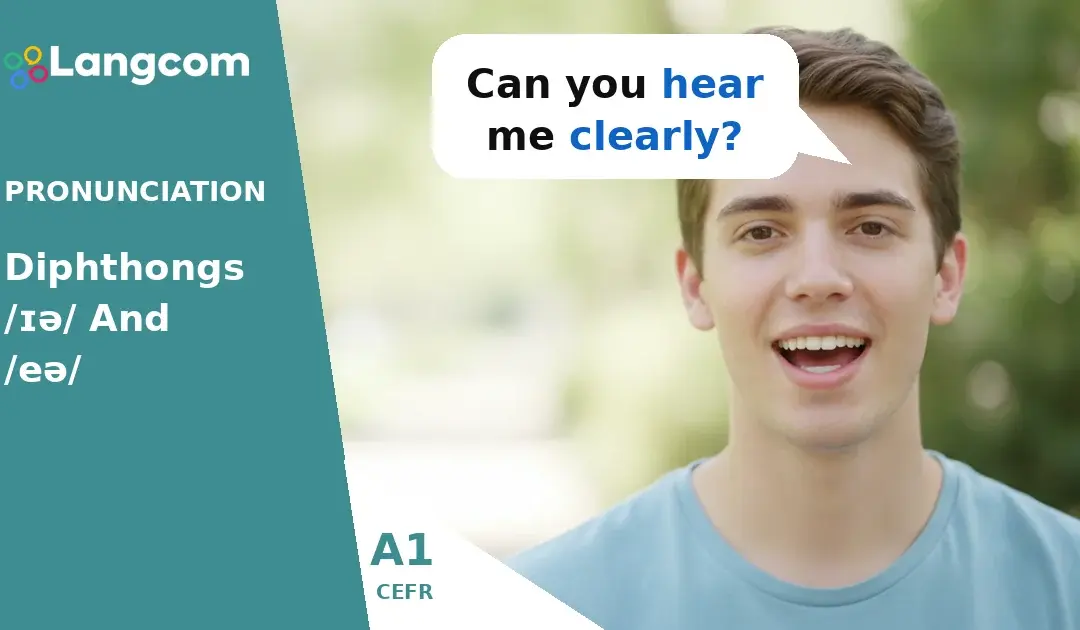
Diphthongs are special vowel sounds that combine two vowel sounds into one smooth sound. For A1 learners, understanding the English diphthongs /ɪə/ (as in here) and /eə/ (as in bear) is important for clear pronunciation. These sounds are not single vowels but a glide...

بواسطة راؤول | يوليو 16, 2026 | A1: اللغة الإنجليزية للمبتدئين
The Present Continuous tense helps you talk about actions happening right now. To make a sentence negative, you simply add not after the verb to be (am, is, or are). For example, I am not working or She isn’t sleeping. To ask a question, you change the word...
