
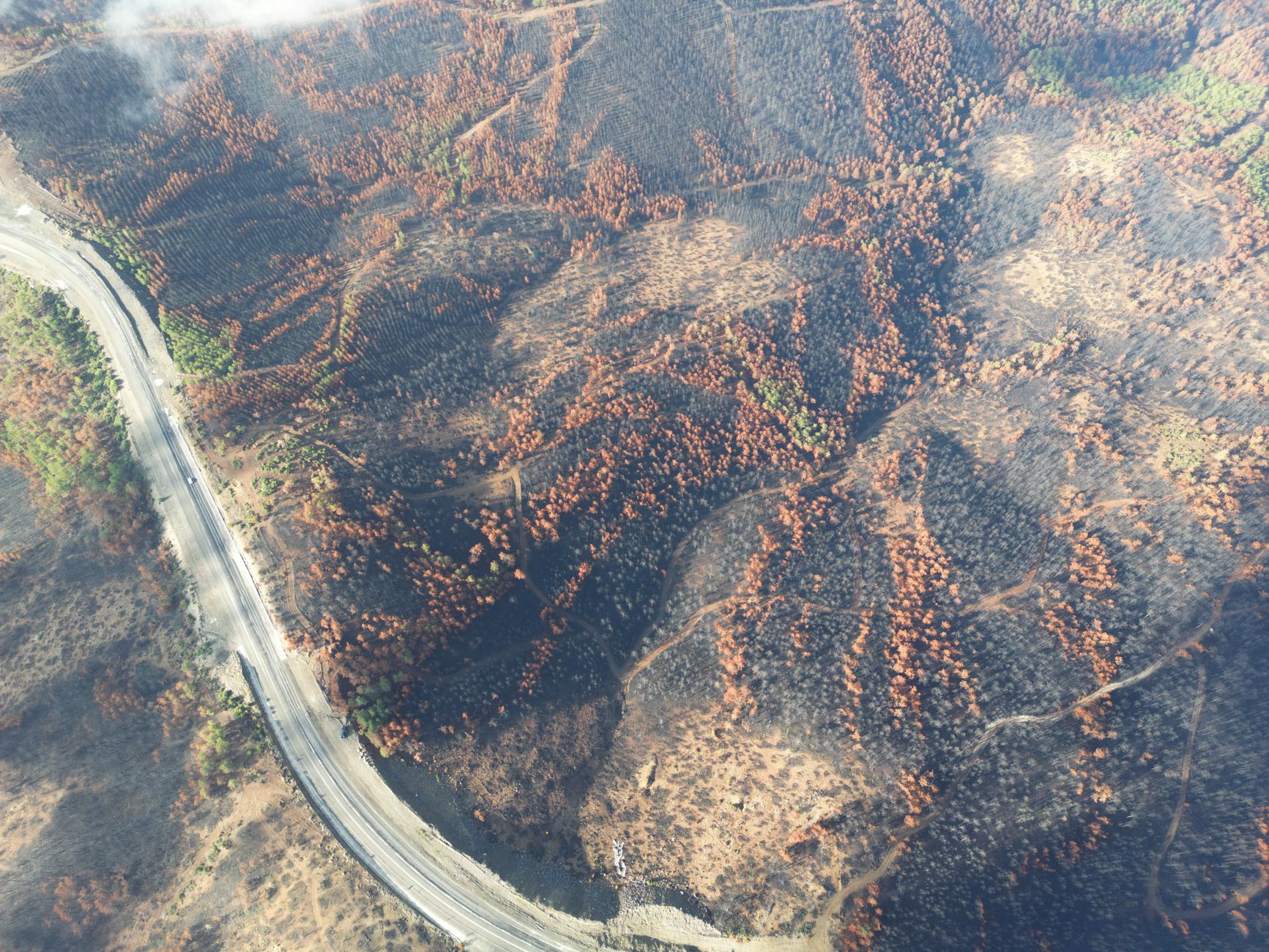

A massive wildfire in the province of Zamora has destroyed 11,000 hectares of land, forcing emergency teams to work around the clock to contain the flames.
The fire, which started recently in the area of Fermoselle, has quickly become one of the most concerning environmental events in Spain this year. With high temperatures and strong winds fueling the blaze, firefighters have faced an incredibly difficult task in protecting local villages and the surrounding landscape. The scale of the destruction is significant, leaving thousands of hectares of forest and farmland in ashes.
This disaster is a reminder of the challenges that Spain faces every summer. As climate change continues to impact weather patterns, the risk of wildfires in rural areas increases. For many people living in the countryside, these fires represent more than just an environmental loss; they affect local economies, agriculture, and the safety of their homes. It is a moment that brings communities together, but it also highlights the vulnerability of our natural heritage.
The Impact on Local Communities and Tourism
The consequences of such a large fire extend far beyond the immediate damage to the trees. Tourism is a vital sector for many regions in Spain, and when natural landscapes are damaged, it can have a long-term impact on the local economy. Visitors often come to areas like Zamora to enjoy nature, hiking, and the quiet beauty of the countryside. When these areas are affected by fire, it can take years for the ecosystem to recover, which in turn affects the businesses that rely on seasonal visitors.
[langcom_cta variant="blended"]
For those living in these affected areas, the ability to communicate and coordinate with international teams or organizations can be a major advantage. In times of crisis, clear communication is essential. Being able to access information, share updates, and participate in global discussions about climate change requires a good grasp of international languages. If you are looking to improve your communication skills, you can learn English with Langcom to gain the confidence needed to navigate these topics in a global context.
Language Skills as a Tool for Resilience
In our modern, interconnected world, knowing English is not just about travel or business; it is about being part of a larger conversation. Whether you are dealing with local news or international environmental policies, being able to read and understand information in English opens many doors. It allows residents to share their stories with the world and learn how other countries manage similar environmental challenges. Using expressions like to be at the forefront of an issue or to take action becomes much easier when you have the right vocabulary.
Furthermore, as many sectors in Spain look to modernize and adapt to new climate-related regulations, professional opportunities are increasingly requiring a high level of English proficiency. Whether you work in agriculture, tourism, or public administration, being able to work in a bilingual environment is a key asset. The ability to present ideas clearly is often described as a game-changer for career advancement in these competitive fields.
Ultimately, the tragedy in Zamora serves as a call for both environmental protection and personal development. As we look toward the future, the resilience of our communities depends on our ability to adapt, learn, and connect. By mastering English, you not only improve your career prospects but also ensure that you can contribute meaningfully to the challenges facing your community and the wider world.
[langcom_cta variant="whatsapp"]
We encourage you to take the next step in your personal growth by checking your current proficiency. Whether you are aiming to study abroad, advance in your career, or simply stay informed, we are here to support your journey. You can start your path today with Langcom, where we help students prepare for official certifications like Cambridge, TOEFL, and IELTS, giving you the credentials you need to succeed in any environment.


0 Commenti