par Raúl | Juil 13, 2026 | Pre A1 Beginner English for Kids
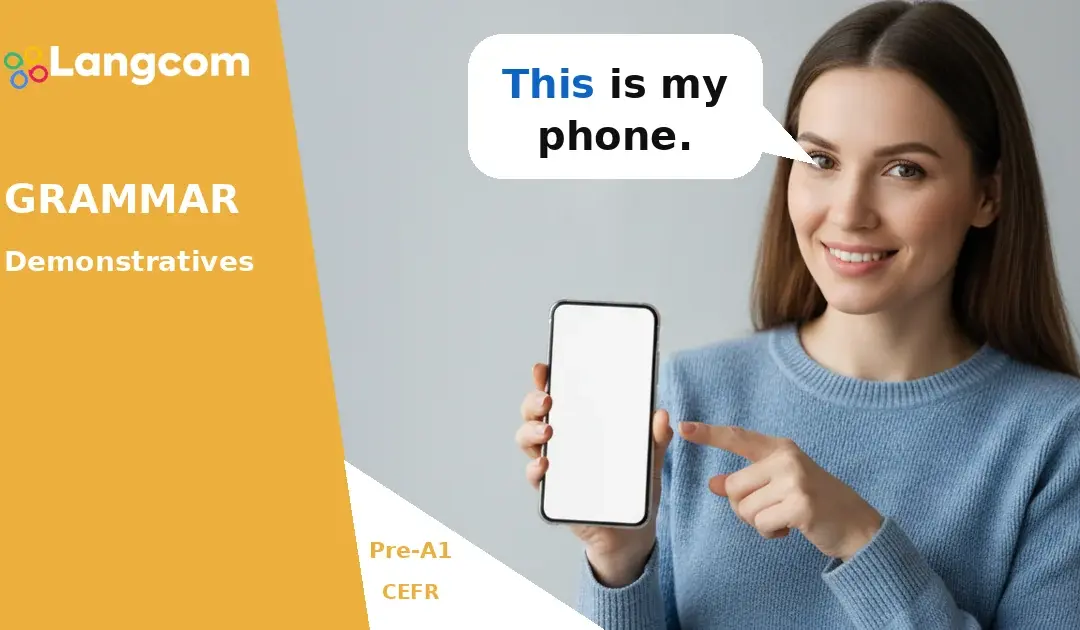
This and That are essential English words we use to point to things. They are called demonstrative pronouns or adjectives. These words help us show if something is close to us or far away. Imagine you are pointing with your finger! We use this for one thing that is...
par Raúl | Juil 12, 2026 | Pre A1 Beginner English for Kids
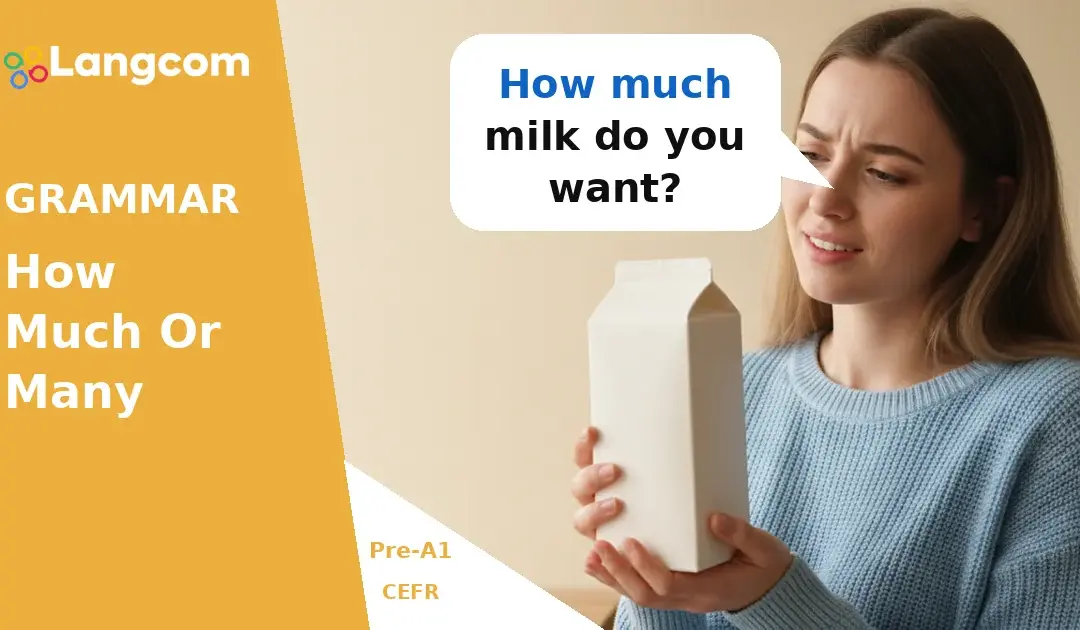
To ask about quantity in English, use How much? for things you cannot count easily, like water, sugar, or money. Use How many? for things you *can* count, like apples, chairs, or people. This simple rule helps you make correct questions in everyday English. For...
par Raúl | Juil 12, 2026 | Pre A1 Beginner English for Kids
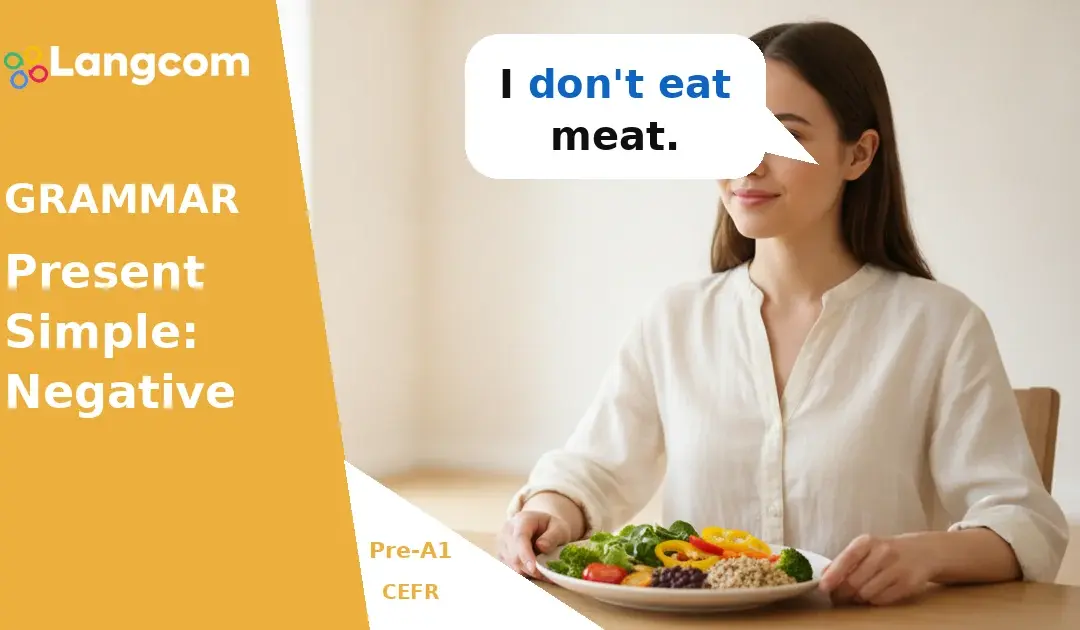
To make a sentence negative in the Present Simple, we use don’t or doesn’t before the main verb. This is how you say that something is not true or that you do not do something. For example, I don’t like coffee means you do not enjoy coffee. We use...

par Raúl | Juil 12, 2026 | Pre A1 Beginner English for Kids
The Present Simple Affirmative helps you talk about daily routines, habits, and facts in English. It is one of the first and most important tenses you will learn. For most verbs, you use the base form of the verb with I, You, We, and They. For He, She, and It, you add...
par Raúl | Juil 12, 2026 | Pre A1 Beginner English for Kids
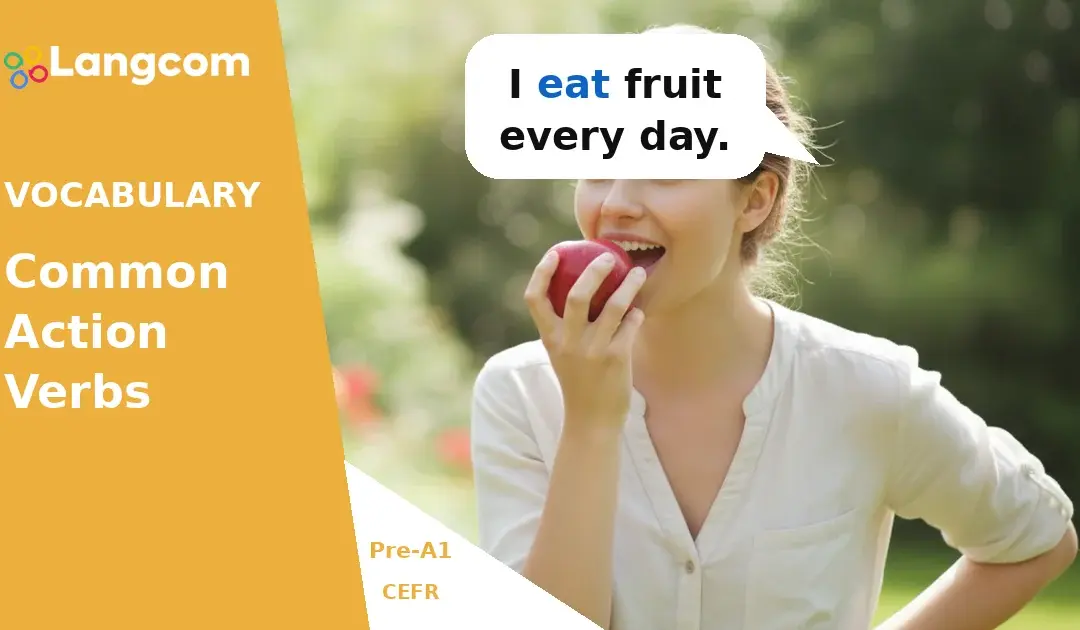
Action verbs tell us what someone or something does. They are essential for talking about daily activities and what you like. For example, eat, live, work, like, love, and cook are common action verbs you can use right away. When you use an action verb, you tell...
par Raúl | Juil 12, 2026 | Pre A1 Beginner English for Kids
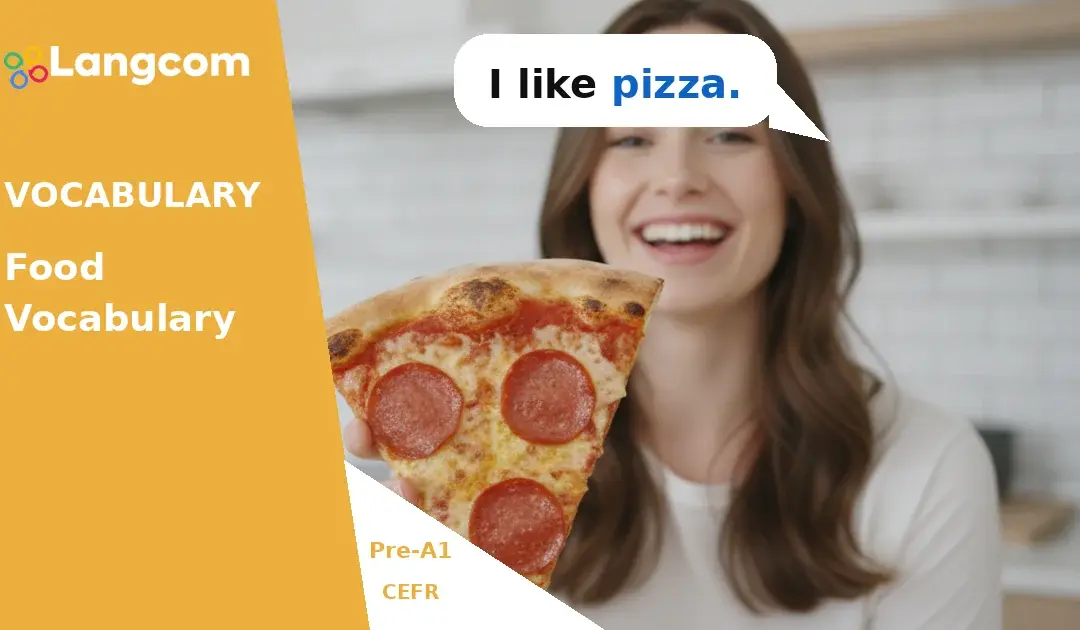
Learning basic food vocabulary is your first step to talking about meals and ordering food in English. These simple words help you communicate what you like to eat and what you want at a restaurant. For example, you can say I like pizza or I want chicken and chips....
