por Raúl | Jul 29, 2026 | B2 Inglés intermedio alto
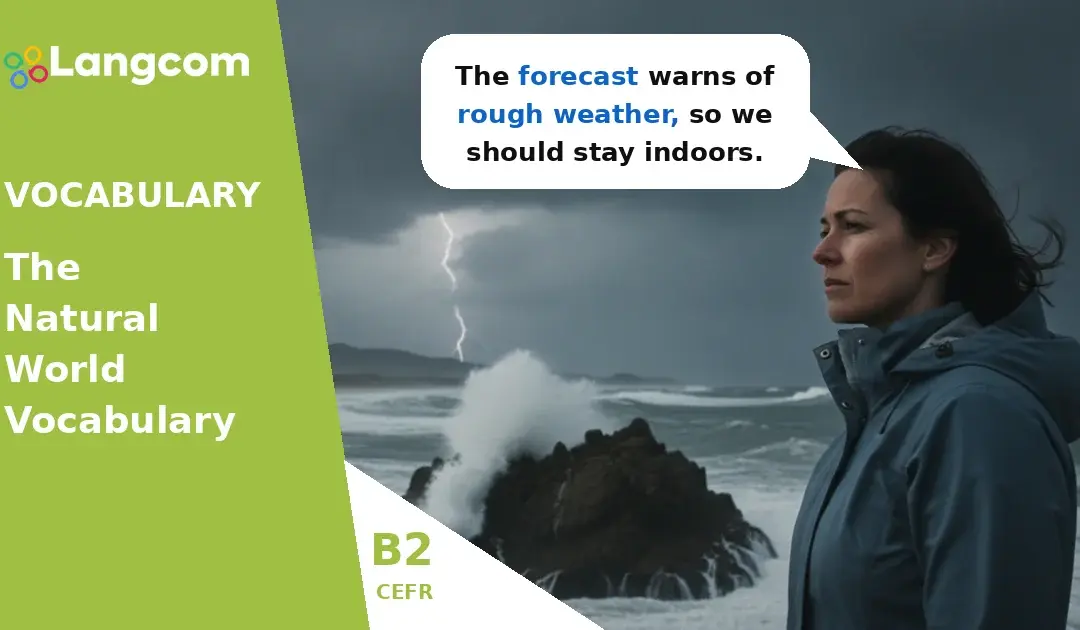
Collocations are pairs or groups of words that naturally go together in English. For B2 learners, mastering natural world collocations is crucial for discussing environmental topics with accuracy and fluency. These fixed expressions, like climate change or carbon...
por Raúl | Jul 29, 2026 | B2 Inglés intermedio alto
To express future probability in English, we use a variety of modal verbs, adverbs, and phrases to show how certain or uncertain we are about an event happening. These expressions allow us to communicate different degrees of likelihood, from almost 100% certain to...
por Raúl | Jul 29, 2026 | B2 Inglés intermedio alto
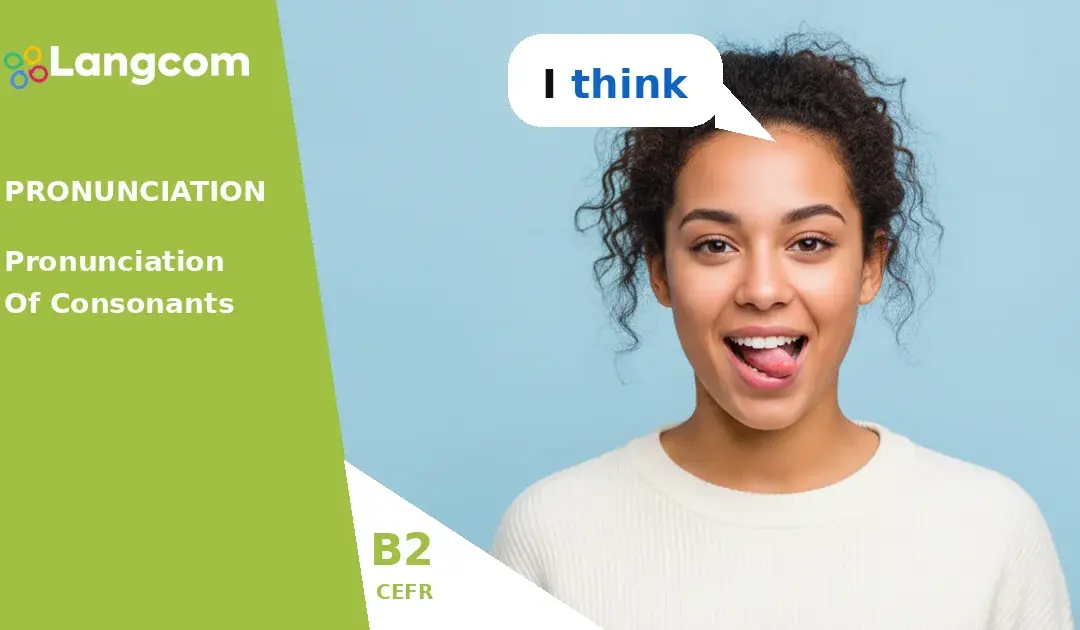
The English ‘th’ sound has two distinct pronunciations: voiceless /θ/ and voiced /ð/. Mastering these sounds is crucial for clear communication in English. The voiceless /θ/ sound, as in think or bath, is made without vibrating your vocal cords. In...
por Raúl | Jul 29, 2026 | B2 Inglés intermedio alto
Adjectives describing attitude help you explain how people think or feel about situations, other people, or the future. These words go beyond simple emotions; they show a person’s general outlook or perspective. For example, someone might be optimistic, always...

por Raúl | Jul 29, 2026 | Inglés para principiantes (nivel A1)
Common English verbs help you talk about your daily life. These are action words like live, work, study, speak, go, teach, play, and meet. You use them to describe what you do every day, where you live, what language you speak, and your hobbies. Learning these verbs...
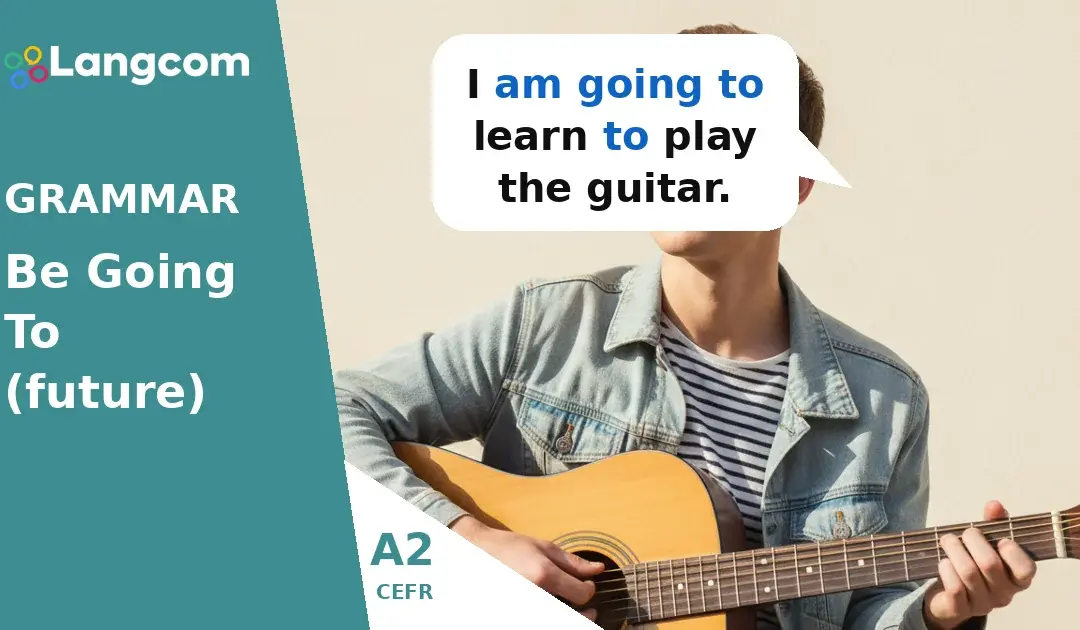
por Raúl | Jul 29, 2026 | A2 Key (KET)
We use be going to to talk about future plans and to make predictions based on what we see now. This structure helps you express what you intend to do or what you think will happen very clearly. For example, if you have decided to study tonight, you can say, I am...
